Every installation is planned around the premises it serves, carried out to industry standards and checked before handover, so the finished system is dependable and compliant from day one.
This page covers what commercial gas installation involves, the types of system we fit, how long a project takes, the problems that commonly affect commercial gas pipelines and why routine maintenance matters.
What Is Commercial Gas Installation?
Commercial gas installation is the safe and efficient fitting of gas systems in commercial buildings. At Commercial Gas Engineer, each stage is handled by a certified gas engineer working to industry standards.
The work ranges from installing gas lines to sizing gas meters correctly, so that the system delivers the output your business actually needs. Safety and precision guide every decision we make on site.
Why Choose Us for Your Commercial Gas Installation?
Working with Commercial Gas Engineer means working with a team that builds each installation around your business. We treat a project as a collaboration and manage it from the first consultation through to the final checks.
Close adherence to industry standards keeps disruption to a minimum, so your operations carry on while we work. The result is more than a new installation: it is a safe, reliable outcome you can depend on.
Types of Commercial Gas Installation We Offer
Our installation work covers gas heating systems, boilers, pipework and specialist set-ups such as gas catering equipment. Each is specified to suit the building and the way it is used.
Gas Heating Systems
Gas heating keeps commercial buildings comfortable and efficient. Systems include boilers, furnaces and infrared heaters, and each has its own strengths.
Boilers distribute heat efficiently through radiators or underfloor circuits, furnaces warm a space quickly by moving heated air, and infrared heaters suit large open areas because they warm people and objects directly. Routine maintenance keeps all of them safe and efficient.
Gas Boilers
Commercial gas boilers supply the heating and hot water many businesses rely on. Floor-mounted, wall-mounted, modular and condensing boilers suit different spaces and capacities.
Correct installation and regular maintenance are important for safety and efficiency. Scheduled checks help avoid costly repairs and extend the working life of the boiler.
Gas Pipework
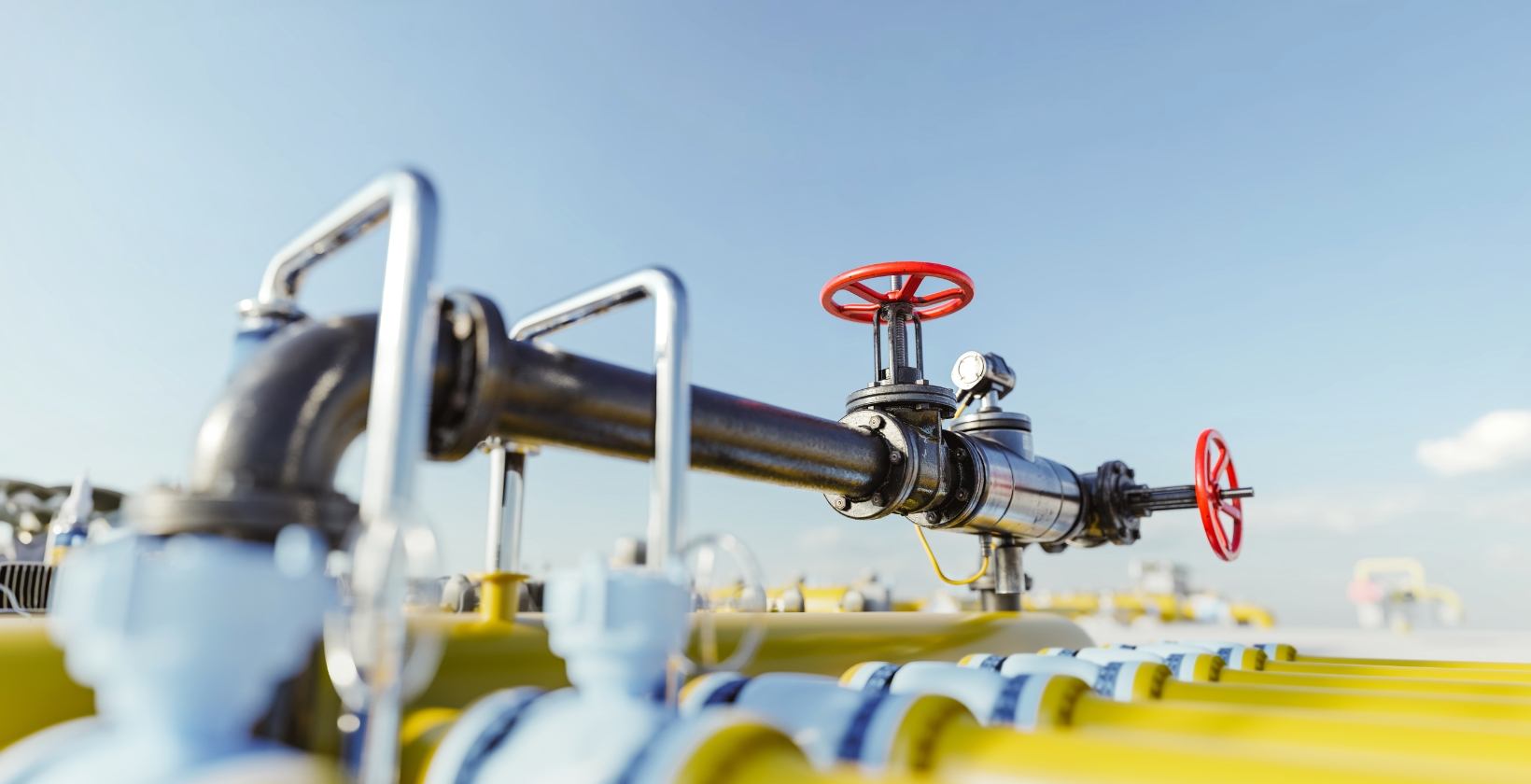
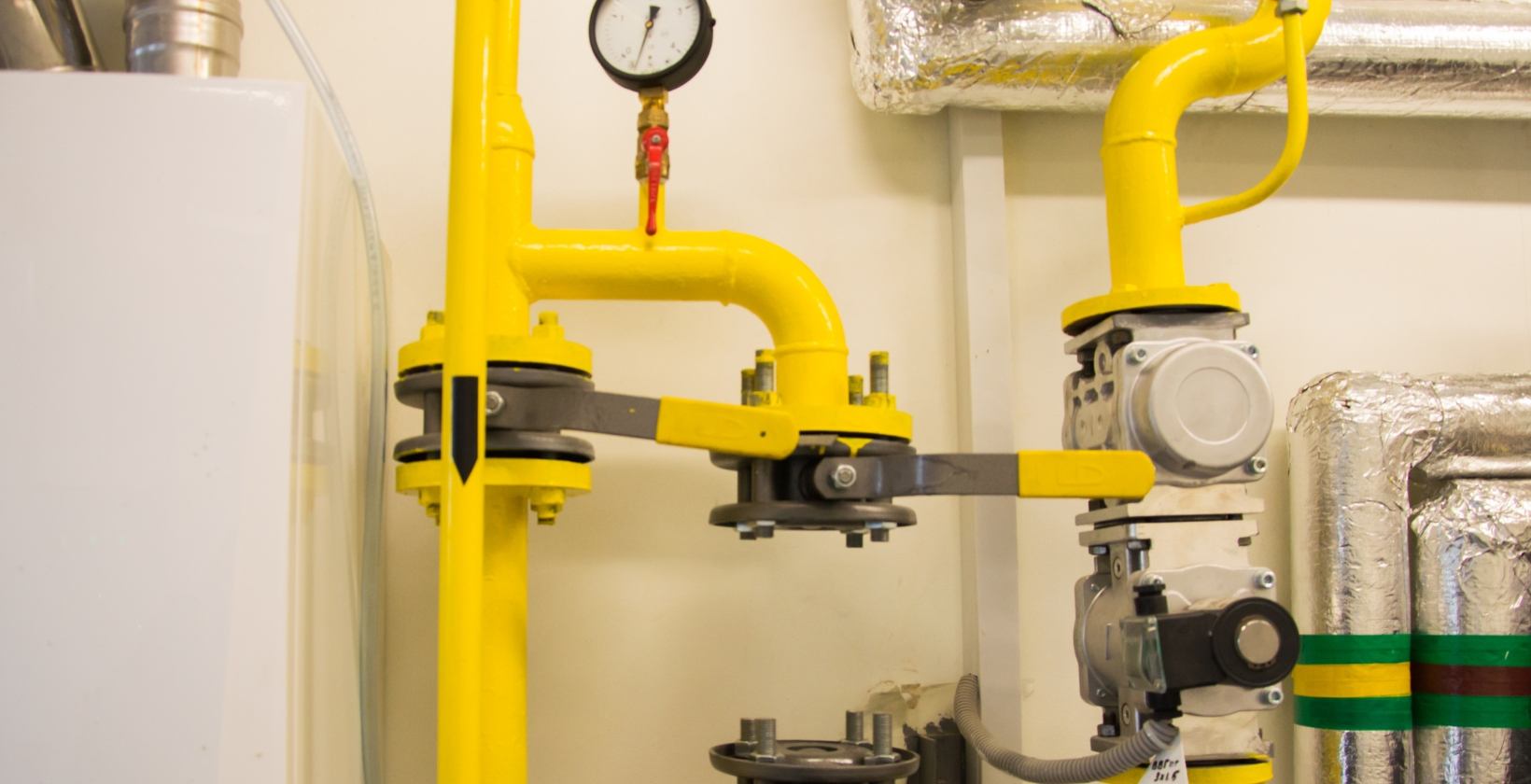
Pipework is the foundation of any commercial gas installation, carrying gas safely and efficiently to each appliance. Choosing the right pipe size and material maintains flow and prevents pressure drop.
Steel, polyethylene and copper are the most commonly used materials, each with its own applications. Good installation practice improves both safety and system efficiency.
Gas Catering Equipment
Commercial kitchens depend on gas catering equipment such as ranges, ovens and grills to meet the demands of the hospitality industry.
Correct installation, including ventilation and access to the gas supply, is important for safety and compliance. Following the relevant safety standards protects staff and customers and keeps the kitchen running efficiently.
How Long Does a Commercial Gas Installation Take?
Timescales vary from project to project, but we aim to complete every installation efficiently without compromising on safety.
Work begins with an in-depth assessment of your requirements and a detailed programme. Our technicians then carry out the installation precisely, following all safety protocols, and post-installation checks confirm that the system works correctly and complies with the regulations.
Common Problems with Commercial Gas Pipelines
Leaks and loss of pressure are among the issues that affect commercial gas pipelines. We deal with them through regular maintenance and prompt repairs that keep the system safe and efficient.
Corrosion and poor-quality installation are frequent causes and can create real hazards. Our maintenance schedules include inspections designed to find and fix faults early, in line with all applicable regulations.
Why Routine Maintenance Matters
Routine maintenance of commercial gas pipelines is important for safety, efficiency and compliance. Regular inspections and timely repairs prevent leaks and extend the life of the system.
A well-maintained pipeline runs smoothly and is far less likely to cause a costly interruption. Investing in maintenance protects your operations and your premises, and working with Commercial Gas Engineer keeps your gas systems in top condition.