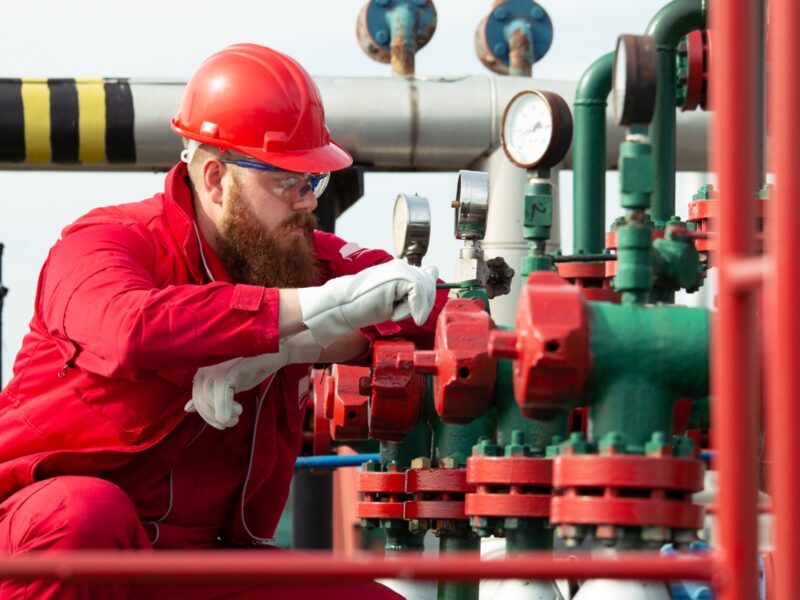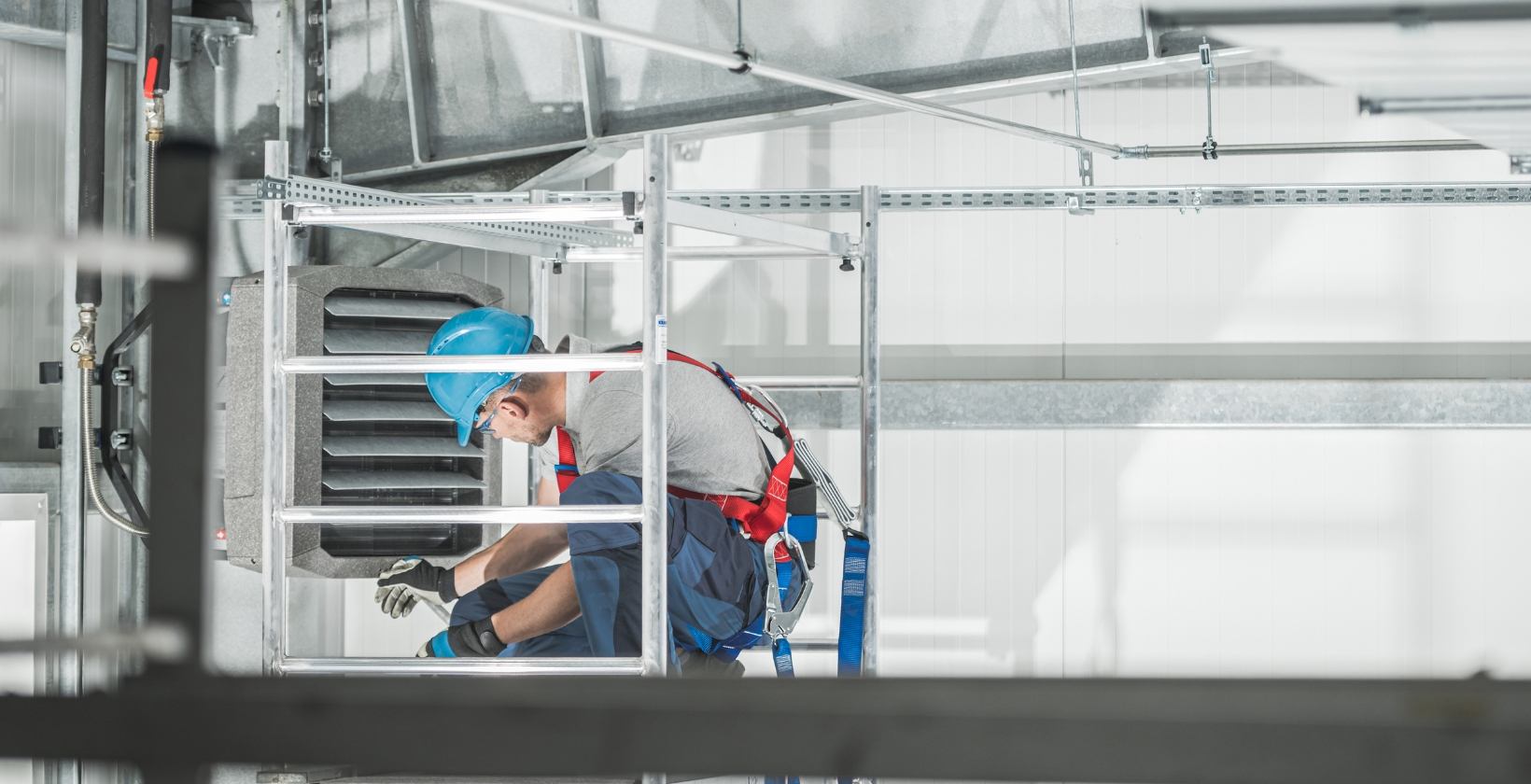
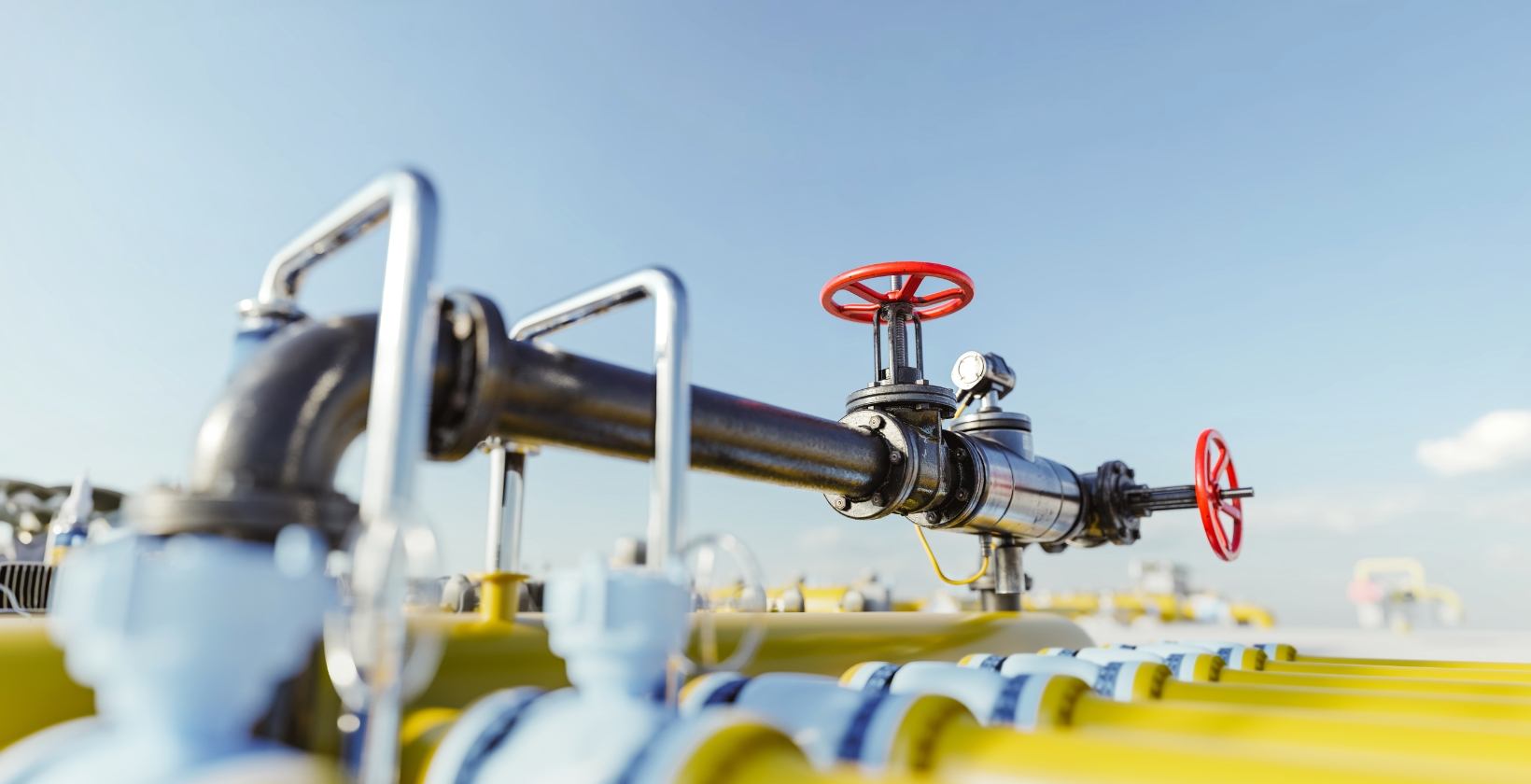
This page explains what gas hot tapping is, how it works and why it matters in industries such as oil and gas, chemical processing and power generation. Specialised processes and strict regulatory compliance are at the heart of our service, and every operation is handled with precision.
What Is Gas Hot Tapping and How Does It Work?
Hot tapping is a technique for making live connections to existing gas pipelines without interrupting service. We carry it out using advanced tools and strict safety protocols.
It is used for maintenance, modifications and emergency repairs in settings such as petrochemical facilities and power generation, keeping pipelines operational while minimising risk.
Why Are Gas Hot Tapping Services Important?
Hot tapping makes it possible to repair and maintain critical infrastructure, such as gas networks, without stopping operations. Downtime is minimised and businesses keep running.
Adherence to safety protocols protects personnel and maintains the integrity of hazardous materials in high-pressure environments.
Why Choose Commercial Gas Engineer for Hot Tapping?
We are committed to quality and safety. Extensive experience, thorough training and advanced technology go into every project so that it is completed successfully and with minimal risk.
Solutions are customised to each client. A proactive strategy helps us optimise the outcome, and strict training programmes give our technicians the skills to handle challenging tasks safely in a field where precision and reliability come first.
Our Gas Hot Tapping Process
The process is designed for maximum safety and efficiency, from site preparation to completion and inspection. We carry out thorough assessments, use advanced tools and work to strict compliance standards for a smooth live connection.
-
Assessment and Planning
We evaluate the pipeline system, manage the risks and confirm compliance with safety protocols.
This proactive stage identifies potential issues and sets out emergency response procedures before work begins.
-
Equipment and Materials Preparation
We use advanced tools, including hot-tapping machines and sealing technologies, and check rigorously that everything is ready for high-pressure conditions.
Careful preparation minimises risk and makes the process more reliable.
-
Hot Tapping Procedure
A live connection is created while the safety and operational integrity of the pipeline are maintained.
Using advanced tools and real-time pressure monitoring, the team completes the tap with minimal risk and no interruption to service.
-
Completion and Inspection
After the tap, a thorough inspection verifies the integrity of the new connection. Visual checks and pressure tests confirm that all systems meet regulatory standards and operate safely.
This final step provides a secure connection and minimises future risk.
Regulatory Guidelines and Compliance
All of our hot tapping operations adhere strictly to regulatory guidelines and compliance standards. Thorough equipment checks and staff training ensure that industry requirements are met at every stage.
Maintaining compliance protects our team and our clients and contributes to the safety of the gas networks we work on.
Industries We Serve
We provide gas hot tapping for the oil and gas sector, chemical manufacturing, petrochemical facilities, power generation and water treatment plants. Each relies on uninterrupted operation, which hot tapping makes possible.
Oil and Gas
Hot tapping supports uninterrupted pipeline services, allowing emergency repairs and modifications without halting operations.
It maintains production flow and avoids costly interruptions, safeguarding operations and improving efficiency.
Chemical and Petrochemical
Maintenance, upgrades and repairs can be carried out on live systems without disrupting production, minimising downtime and maximising efficiency.
The method also supports environmental and safety compliance by reducing the risk of incidents during operations.
Power Generation
Hot tapping allows maintenance to take place without interrupting energy production, across environments from coal-fired plants to renewable energy facilities.
Reduced downtime helps maintain a stable energy supply and a reliable service for consumers.